Kinderdijk Windmills: UNESCO World Heritage, History & Inside Look
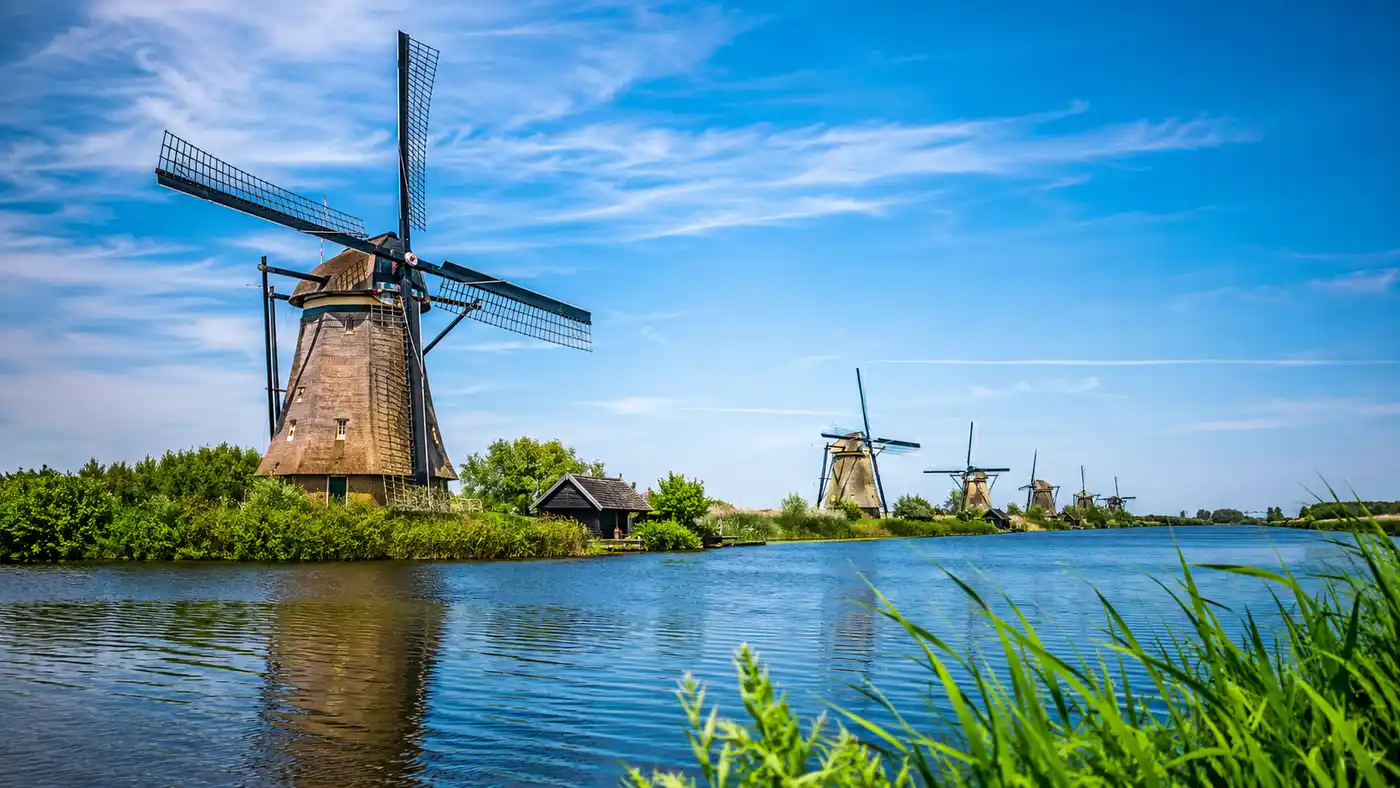
The first time I saw the Kinderdijk windmills, it was a bit overwhelming. You see pictures, of course, but standing there, surrounded by nineteen of these incredible structures, it really hits you. This isn't just a pretty postcard view; it's a living testament to Dutch ingenuity. These specific Kinderdijk windmills, in the Netherlands, hold a special place on the UNESCO World Heritage list, and for good reason. This isn't just a place to snap a few photos and leave. You can really dive into the history of water management here, understanding how the Dutch literally shaped their landscape over centuries. We'll talk about who built them, what they were for, and even peek inside a few. I'll also share some practical tips for visiting, like how to get there and what to expect once you arrive.Book your kinderdijk windmills experience:
The Legacy of Kinderdijk Windmills: History & Purpose
Honestly, the sheer scale of the water problem in this part of the Netherlands is hard to grasp. Much of the country sits below sea level. For centuries, the Dutch battled the water, constantly devising new ways to reclaim land and keep it dry. That's where the Kinderdijk windmills come into the story. They aren't just decorative; they were a vital part of a sophisticated water management system. Back in the 18th century, the water levels in the Alblasserwaard polder were getting critically high. Something had to be done to prevent catastrophic flooding. The solution was brilliant, even if it seems a bit old-fashioned today: a network of windmills designed to pump excess water from the lower polders into a higher reservoir. From there, it could be discharged into the river Lek. This complex system, involving two distinct rows of windmills, became the backbone of the region's survival. There are nineteen windmills at Kinderdijk, and they were mostly built between 1738 and 1740. These particular windmills, some made of stone, others of brick and thatch, all served the same critical purpose: moving water. They represent centuries of engineering evolution. It's a powerful reminder that the Netherlands wouldn't exist as it does without this constant struggle and innovation.Note: The windmills at Kinderdijk, while iconic, are only a part of the broader story of famous Dutch windmills. Many others exist throughout the country, each with its own unique history and purpose. You can learn more about them on our site.
What Makes Kinderdijk a UNESCO World Heritage Site?
The designation of Kinderdijk as a UNESCO World Heritage site in 1997 wasn't just about pretty scenery. It recognized the universal value of this unique cultural landscape. The site is an outstanding example of the artificial landscape of the Netherlands, a testament to humanity's ability to adapt and control its natural environment. It's a place where you can see the ongoing struggle against water, spanning over a thousand years. These specific windmills aren't just old buildings. They represent the pinnacle of Dutch hydraulic engineering before the advent of steam and electric pumps. The concentration of so many well-preserved windmills, all working together in a coordinated system, is what truly sets Kinderdijk apart. It's an entire system, not just individual structures. This makes it a crucial site for understanding the history of water management in the Netherlands and frankly, globally. The unesco world heritage kinderdijk windmills stand as a symbol of the fight for survival against the forces of nature. They embody the resilience and ingenuity of the Dutch people. Visiting gives you a real sense of that history. You walk along the canals, see the windmills turning, and imagine the millers and their families who dedicated their lives to keeping the water at bay. It’s an experience that connects you directly to a very specific, very important piece of human history. If you're looking for more context on the broader topic of Dutch windmills, including other sites, check out our article on famous Dutch windmills: history, purpose & other sites near Amsterdam at /articles/famous-dutch-windmills-history-purpose/.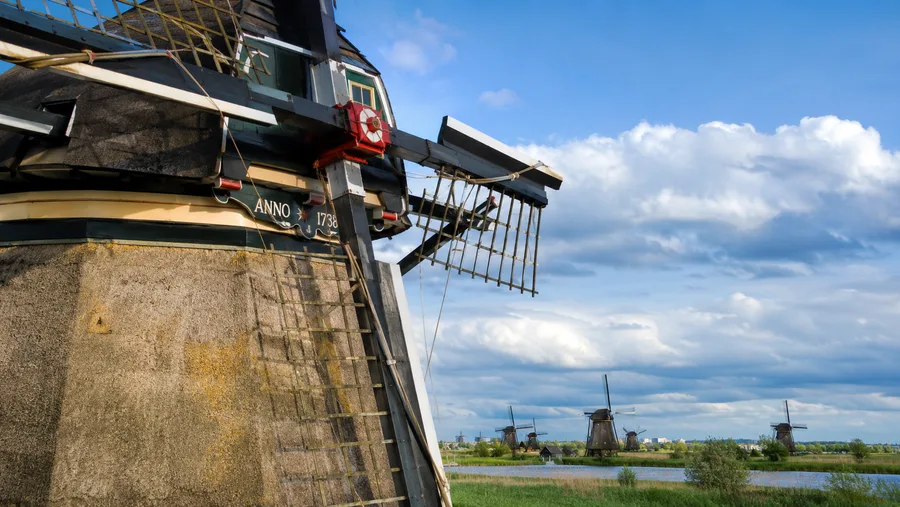
Exploring Inside a Windmill: Museummolen Nederwaard & Blokweer
You can't really understand these structures until you step inside one. We visited the Museummolen Nederwaard, which offers a fantastic glimpse into a miller's life. It's one of the best ways to get an inside look at a windmill at Kinderdijk. The interior of windmill Nederwaard is set up just as it would have been when a miller and his family lived there. You see the small living quarters, the simple furniture, and the surprisingly steep stairs connecting the levels. It's a compact space, filled with the sounds of creaking wood and the occasional rush of wind. The millers were not just engineers; they were also families. It made me wonder, does anyone still live in the Kinderdijk windmills today? The answer is yes, actually. Some of the windmills are still privately owned and inhabited by millers or their descendants. It’s not just a museum, it's still a community. You don't get to go inside those, of course, but knowing people still live there adds another layer to the experience. We also popped into Museummolen Blokweer, which is an older, smaller type of windmill. It’s a fascinating contrast, showing the evolution of these machines. This particular one feels incredibly rustic, almost like stepping back a few centuries. You can see the hand-operated tools and the simpler mechanisms. It really helps you appreciate the ingenuity of those who built the windmills at Kinderdijk.Pro tip: While you can walk or cycle past all nineteen windmills, make sure to go inside at least one of the museum windmills. The Museummolen Nederwaard is usually included with your ticket and provides a great overview. The audio guide is also really helpful.
Book your kinderdijk windmills experience:
Planning Your Visit to Kinderdijk
Getting to Kinderdijk is pretty straightforward, whether you're coming from Amsterdam or Rotterdam. We took a train to Rotterdam and then caught the Waterbus, which is honestly the most scenic way to arrive. It drops you right at the entrance, and you get some great views of the canals and the windmills approaching. The journey took us about 40 minutes from Rotterdam Centraal. If you are coming from Amsterdam, it takes a bit longer, but it's totally doable as a day trip. For all the specifics on getting there, you should read our guide on how to get to Kinderdijk windmills from Amsterdam & Rotterdam at /articles/how-get-kinderdijk-windmills-amsterdam/. Once you’re there, you can explore the site on foot, rent a bike, or take a boat trip. I think cycling is probably the best way to see everything at your own pace. There are well-maintained paths that wind between the two rows of windmills. The boat trips offer a different perspective, gliding silently past the structures. We opted for a combination of walking and a short boat tour, which gave us a good feel for the scale of the place. Here are a few practical considerations for your trip:- Best time to visit: Early morning or late afternoon. It gets crowded with tour groups, especially between 10 AM and 3 PM. We arrived around 9:30 AM and had a much more peaceful experience.
- What to wear: Dress in layers. The weather can change quickly, and it can get quite windy out in the open polder. Comfortable walking shoes are a must.
- Food and drink: There's a small cafe at the Visitor Centre, and a few spots for snacks. I'd suggest bringing your own water bottle and maybe some fruit.
- Tickets: It's always a good idea to buy your tickets online in advance. It saves time and sometimes a few euros. You can find detailed information about ticket options and tours on our site: /articles/plan-visit-kinderdijk-tickets-tours/.
Here’s a quick overview of typical admission and options:
| Ticket Type | Includes | Approx. Price (Online) |
|---|---|---|
| Standard Admission | Access to entire area, Museummolen Nederwaard, Wisboom Pumping Station, Visitor Centre, audio tour app | €19.50 |
| Boat Trip (extra) | Adds 30-minute canal cruise | €8.00 |
| Bicycle Rental (per hour) | Standard Dutch bike for exploring paths | €4.50 |
Beyond the Windmills: Wisboom Pumping Station & Modern Context
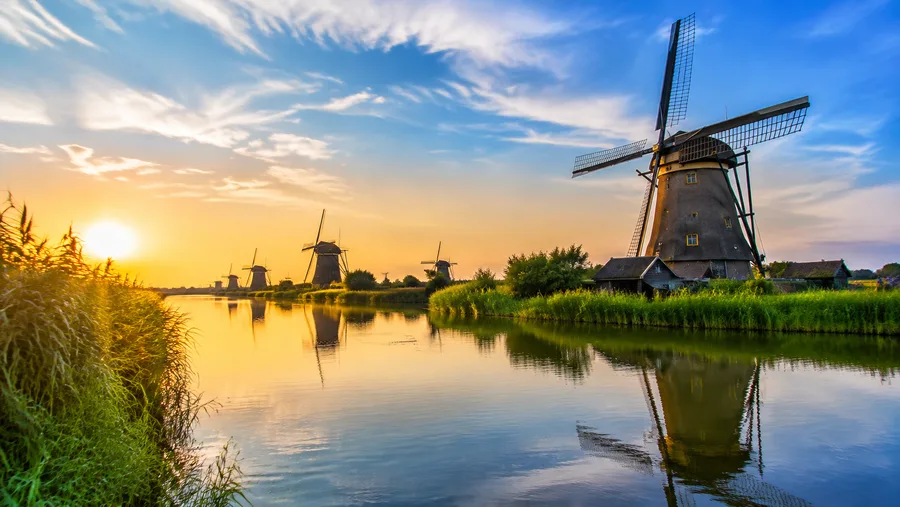
While the kinderdijk windmills are the stars, it's important to remember that water management here didn't stop in the 18th century. The Wisboom Pumping Station, for example, is a fascinating part of the historical sites Netherlands has to offer. Built in 1868, it was one of the first steam-powered pumping stations in the region, marking a significant step in the evolution of flood control. It took over much of the heavy lifting from the windmills. Today, the Wisboomgemaal, or Wisboom Pumping Station, functions as a visitor center and a museum. You can see the massive old machinery and understand how it revolutionized the battle against water. It’s pretty impressive to think about the transition from wind power to steam, and then to the modern electric pumps that now keep the polder dry. Do the Kinderdijk windmills generate any power today? Not really. Their primary function has been taken over by these more modern pumping stations. They are preserved for their historical and cultural value, not for active power generation. It's a compelling narrative, really. The windmills at Kinderdijk holland facts are a testament to past innovation, while the pumping stations show the continuous drive for better solutions. This site isn't just about preserving the past; it's about understanding a continuous, evolving relationship between people and their environment. It’s a story of constant adaptation and survival. Honestly, I think it's one of the most important unesco sites netherlands has to offer. You can find more comprehensive travel guides and insights on our main site, travelwritertips.com, for planning your next adventure.Frequently Asked Questions about kinderdijk windmills unesco
How many windmills are there at Kinderdijk?
There are nineteen historic windmills at Kinderdijk, arranged in two rows along the canals. These were built primarily between 1738 and 1740.
Do people still live in the Kinderdijk windmills?
Yes, some of the windmills are still privately owned and inhabited by millers or their families. These are not open to the public, but it shows the enduring connection to the site.
Do the Kinderdijk windmills generate electricity?
No, the Kinderdijk windmills no longer generate electricity. Their original purpose was to pump water, and that function has largely been taken over by modern electric pumping stations. They are preserved for their historical and cultural significance.
Quick Reference
- 19 historic windmills
- UNESCO World Heritage site since 1997
- Located near Rotterdam
- Open year-round (check seasonal hours)
- Best explored by foot, bike, or boat
Book your kinderdijk windmills experience:
My Take on Kinderdijk
Visiting the Kinderdijk windmills is more than just a sightseeing trip; it's an educational journey into Dutch history and a profound appreciation for human resilience. It’s one of those places that genuinely sticks with you. The vast, open landscape, the gentle turning of the sails, and the quiet dignity of these old machines all combine to create a truly memorable experience. It’s a place that tells a story of survival, ingenuity, and a deep connection to the land. If you’re ever in the Netherlands, especially near Rotterdam, make the effort. You won't regret it.Read more about kinderdijk windmills.