Famous Dutch Windmills: History, Purpose & Other Sites Near Amsterdam
Visiting the Netherlands, you quickly learn that the landscape tells stories of ingenuity, perseverance, and a constant dance with water. Among the most iconic symbols of this country are its famous Dutch windmills, standing tall against wide-open skies. These aren't just quaint photo opportunities, though they certainly are beautiful. They represent centuries of Dutch innovation, playing a crucial role in shaping the very land beneath your feet. This article will dive into their fascinating history, explain their vital purpose, and guide you to the best places to see these magnificent structures, especially those easily accessible from Amsterdam. We will explore the UNESCO World Heritage site of Kinderdijk, a truly breathtaking collection of historic windmills, and then journey to Zaanse Schans, a living museum village that brings the industrial past to life. I will share some practical tips for visiting these spots, give you a peek into what it's like inside of a windmill, and even point out a few lesser-known gems. My hope is you will leave with a deeper appreciation for these silent giants, understanding why they remain such a powerful emblem of the Netherlands.Book your kinderdijk windmills experience:
The Enduring Purpose of Famous Dutch Windmills
It is hard to overstate the importance of windmills to the Netherlands. For many centuries, these structures were the backbone of Dutch life, doing work that is now handled by electric pumps and modern machinery. The history of windmills in the Netherlands is really the history of the country itself. Much of the land here, especially in the western provinces, sits below sea level. Without constant drainage, it would simply revert to marshland or be swallowed by the sea. This is where the purpose of Dutch windmills truly shines. The earliest windmills, often simple post mills, appeared around the 13th century. They were initially used for grinding grain, a fundamental task in any agricultural society. But as the Dutch began their ambitious projects of land reclamation, known as creating "polders," the windmills evolved. Huge drainage mills, like those at Kinderdijk, were engineered to pump excess water from low-lying areas into higher canals and rivers, sending it eventually to the sea. This allowed for farming, housing, and eventually, the creation of entire towns on land that was once underwater. It's an incredible feat of engineering and human will, honestly. Beyond drainage and grain, windmills powered various industries. Sawmills, for instance, were instrumental in processing timber for shipbuilding and construction, especially vital during the Dutch Golden Age. There were also oil mills, crushing seeds to produce lamp oil and cooking oil, and pigment mills, grinding materials for paint. The sheer variety of tasks performed by these machines meant they were everywhere, a constant presence in the Dutch landscape, shaping both the physical environment and the economy. You can still see remnants of this industrial past in places like Zaanse Schans, where specific types of mills are preserved.Pro tip: While visiting, try to imagine the sheer manual labor involved before these machines existed. Understanding the context of land reclamation and industrial necessity really changes your perspective on the beauty of these structures, making them more than just pretty scenery.
Kinderdijk - A UNESCO World Heritage of Historic Windmills
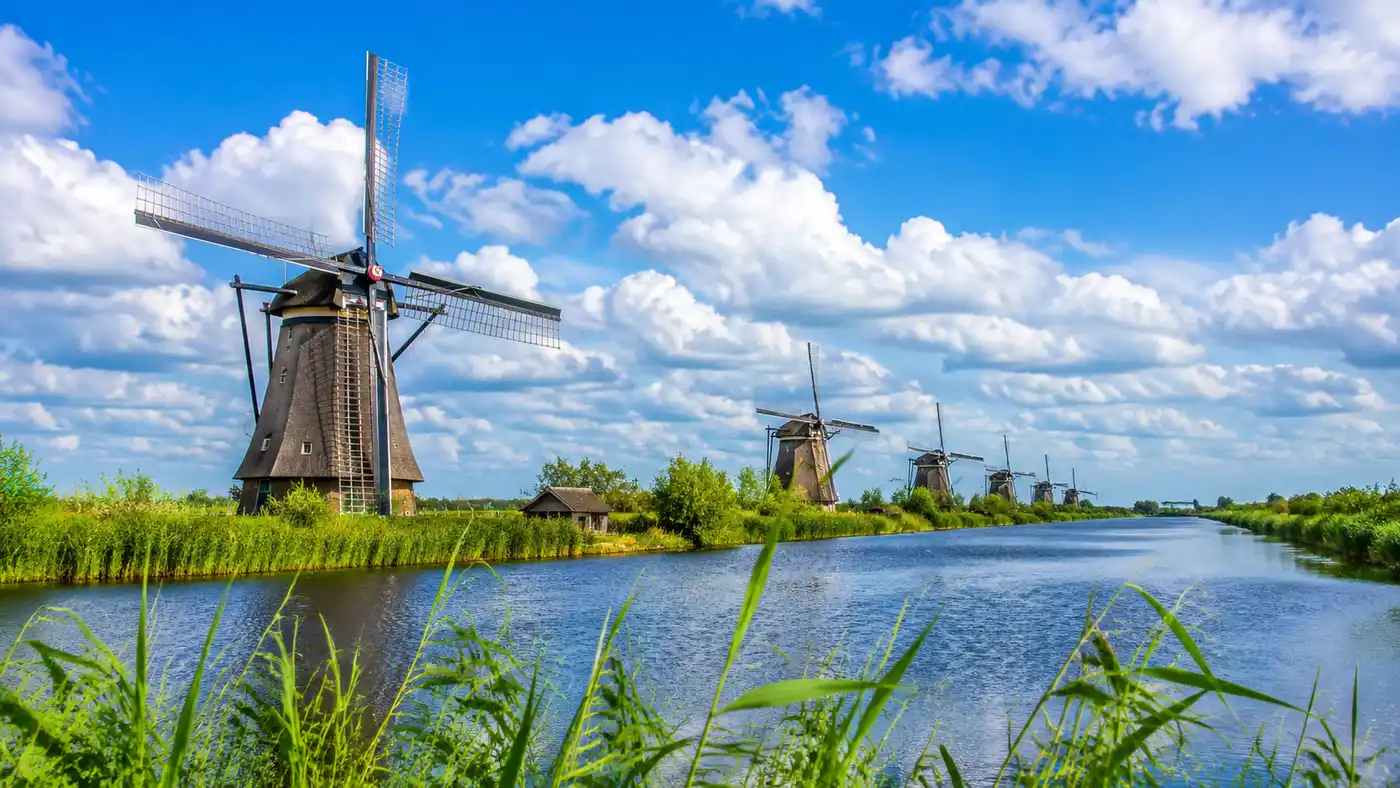
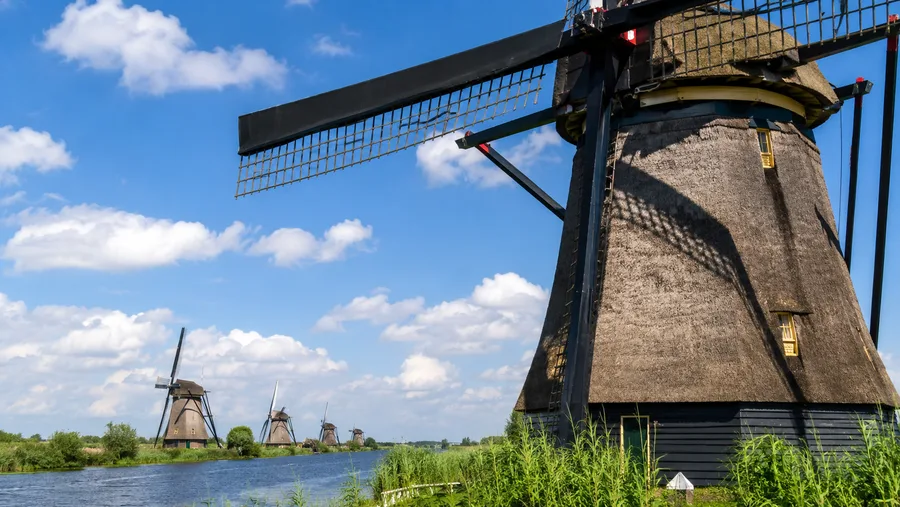
For anyone serious about seeing historic windmills in the Netherlands, Kinderdijk is a non-negotiable stop. This UNESCO World Heritage site, located about 25 kilometers east of Rotterdam, is home to a stunning collection of 19 authentic 18th-century windmills. They are beautifully preserved, lined up along canals, creating a picture postcard scene that feels almost too perfect to be real. My first time there, I just stood for a long while, watching the sails turn slowly in the breeze. It was quite peaceful. The Kinderdijk windmills were primarily built to keep the Alblasserwaard polder dry. They worked in a series, lifting water from lower basins to higher ones, eventually discharging it into the Lek river. Today, modern pumping stations handle the bulk of the drainage, but the windmills are maintained and occasionally operated, especially for visitors. You can walk or cycle along the paths that wind through the site, getting up close to the mills. There are also boat tours that offer a different perspective from the water, which I definitely recommend if you have the time. You can even go inside of a windmill at two of the museum mills, getting a real sense of what daily life was like for the millers and their families. It is a surprisingly cozy, yet functional, space. Planning a visit here takes a little thought. It is not really a village you wander through, but more an open-air museum. You will want to give yourself at least three hours, maybe longer if you plan on taking a boat trip or going inside multiple mills. The views are incredible at sunrise or sunset, and it is far less crowded then. If you are looking for specific details on entry or how to get there, a good resource for planning your visit to Kinderdijk: tickets, tours & things to do can be found on this site.Note: Kinderdijk does not have a traditional "village" feel with shops and restaurants right among the windmills. Services are available, but it is more about the natural landscape and the mills themselves. If you are looking for a bustling village experience with crafts and shops, Zaanse Schans might be a better fit.
Practical Tips for Visiting Kinderdijk
- Getting there: From Rotterdam, the Waterbus is a scenic and direct option, taking about 30 minutes. From Amsterdam, it is a longer journey, often involving a train to Rotterdam and then the Waterbus. You can find more details on how to get to Kinderdijk Windmills from Amsterdam & Rotterdam on our site.
- Best time to visit: Early morning, right when they open, or late afternoon, offers fewer crowds and beautiful light for photos. Weekdays are generally quieter than weekends.
- Exploring the site: Rent a bike, walk, or take one of the canal boats. The paths are flat and easy to navigate. A combination of walking and a boat tour gives you the best experience.
- Inside a windmill: Make sure to visit at least one museum mill. The Mill Network Foundation does a great job explaining the history and daily life within the mills.
Zaanse Schans - A Living Museum of Amsterdam Windmills
Just a short train ride from Amsterdam, Zaanse Schans offers a different, yet equally charming, windmill experience. This isn't an untouched historical site like Kinderdijk, but rather a recreated 18th- and 19th-century village designed to showcase traditional Dutch life and industry. It feels a bit like stepping back in time, with its green wooden houses, workshops, and of course, many windmills. This is probably the most convenient place to see windmills near Amsterdam. The windmills at Zaanse Schans served various industrial purposes. You will find an oil mill, a saw mill, a dye mill grinding pigments, and even a spice mill. Each one is unique, and many are open to the public, allowing you to venture inside of a windmill and see the massive gears and mechanisms at work. It is loud and fascinating, giving you a real appreciation for the power generated by wind. The smell of fresh wood in the saw mill, or the earthy scent of spices in another, adds to the sensory experience. Beyond the windmills, Zaanse Schans is a fantastic place to wander. You can watch traditional crafts like clog making and cheese production, visit small museums, and even see traditional bakeries. It is a very interactive experience, making it a great day trip for families. It can get very crowded, especially in peak season, which is something to be aware of. Still, it is a unique opportunity to see the famous dutch windmills in a vibrant, living setting.Book your kinderdijk windmills experience:
Other Windmill Sites Near Amsterdam
While Kinderdijk and Zaanse Schans are the big names, they are not the only places to spot these iconic structures. If you are staying in the capital, you might wonder, "where can I see windmills in Amsterdam?" Well, you don't even have to leave the city center to see one! The De Gooyer Windmill stands proudly in the eastern part of Amsterdam, right next to Brouwerij 't IJ, a popular craft brewery. It is a striking sight, and while you cannot go inside, it makes for a great photo opportunity and a convenient windmill in Holland to see without much travel. Imagine sipping a beer with a historic windmill in the background - not a bad way to spend an afternoon. For a more comprehensive look at all the options for seeing famous Dutch windmills, you might want to explore our main site. If you are looking for something a bit more off the beaten path, consider the windmills of Schermerhorn, located north of Amsterdam. This area is part of the Schermer polder, another UNESCO site, and features a few historic drainage mills that are less touristy than Kinderdijk. It offers a quieter, more authentic glimpse into the Dutch landscape and its enduring relationship with water. You will need a car or maybe a combination of public transport and a bike to reach these, but it is a rewarding trip for those seeking a less crowded experience. These are true historic windmills Netherlands, still standing strong.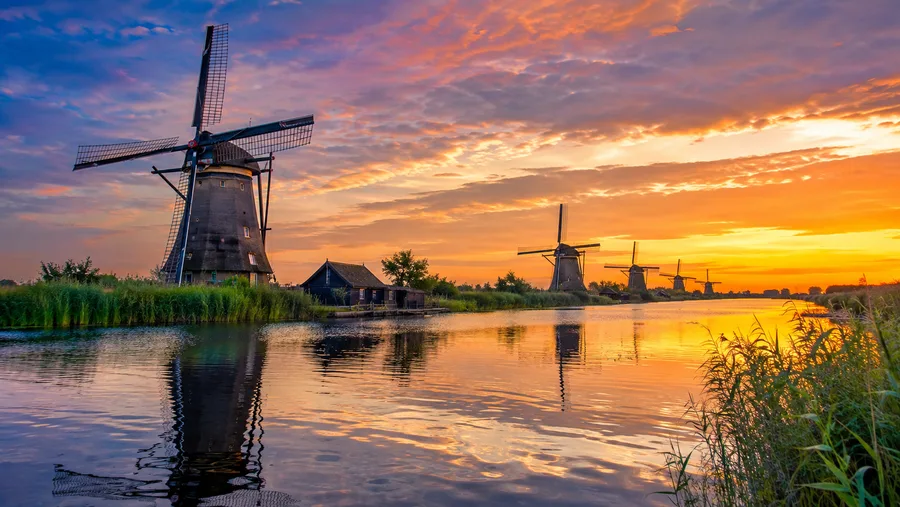
Planning Your Windmill Adventure: Zaanse Schans vs. Kinderdijk
Deciding which windmill site to visit, or if you have time for both, depends on what kind of experience you are after. Both offer incredible glimpses into the history and purpose of Dutch windmills, but they have distinct vibes. Here is a quick comparison to help you choose:| Feature | Kinderdijk | Zaanse Schans |
|---|---|---|
| Type of Site | Authentic 18th-century drainage network | Recreated 18th/19th-century industrial village |
| Number of Windmills | 19 historic drainage mills | Around 10 industrial mills (oil, saw, pigment) |
| Primary Focus | Water management, UNESCO heritage, natural beauty | Traditional crafts, industry, cultural experience |
| Crowd Level | Can be busy, but spread out over a large area | Often very crowded, especially in peak season |
| Accessibility from Amsterdam | Longer trip (train + Waterbus or bus) | Easier, shorter trip (direct train to Koog aan de Zaan) |
| Activities | Walking, cycling, boat tours, museum mills | Workshops (clogs, cheese), museums, going inside mills |
5 Interesting Facts About Windmills
- Windmill "Language": Millers could position the sails in specific ways to communicate messages, like mourning, celebration, or a break in work. It was a kind of visual Morse code for the community.
- The Miller's Life: Millers and their families often lived inside the windmills, enduring constant noise and vibrations. It was a tough, isolated life, but incredibly vital.
- Mill Network: The Netherlands once had thousands of windmills. Today, about 1,200 remain, many still maintained by volunteers.
- Windmill Days: Every second Saturday in May is National Windmill Day in the Netherlands, when many privately owned mills open their doors to the public.
- Not Just for Grinding: While grain grinding is famous, the diversity of tasks - from sawing wood to pressing oil - shows their incredible versatility.
Frequently Asked Questions about famous dutch windmills
What is the main purpose of Dutch windmills?
The main historical purpose was to drain water from low-lying land (polders) to create habitable and arable land, and also to power various industries like grinding grain, sawing wood, and pressing oil.
Can you go inside a windmill in the Netherlands?
Yes, at both Kinderdijk and Zaanse Schans, you can typically go inside specific museum windmills to see their internal mechanisms and learn about the miller's life. Some other independent mills also offer tours.
Are there windmills in Amsterdam itself?
Yes, the De Gooyer Windmill is located within Amsterdam city limits, though it is not open for public tours. Other clusters of windmills, like Zaanse Schans, are a very short train ride away.
Quick Reference
- Kinderdijk has 19 UNESCO windmills.
- Zaanse Schans is a living museum village.
- Windmills drained land and powered industries.
- Many windmills are still maintained by volunteers.
- De Gooyer Windmill is in Amsterdam.
Book your kinderdijk windmills experience:
My Take on Dutch Windmills
Seeing the famous Dutch windmills is an absolute must-do when visiting the Netherlands. They are more than just pretty scenery; they are a profound testament to human ingenuity and the enduring spirit of a nation that literally built itself from the water up. Whether you choose the serene, historic beauty of Kinderdijk or the bustling, interactive charm of Zaanse Schans, you will walk away with a richer understanding of this incredible country. I think everyone should experience the quiet majesty of these giants at least once.Read more about kinderdijk windmills.